
Garage Door Spring Identification and Measurement Guide
A few safe observations and clear photos can help CSI prepare for a spring service call. Spring replacement and adjustment belong to trained door technicians.
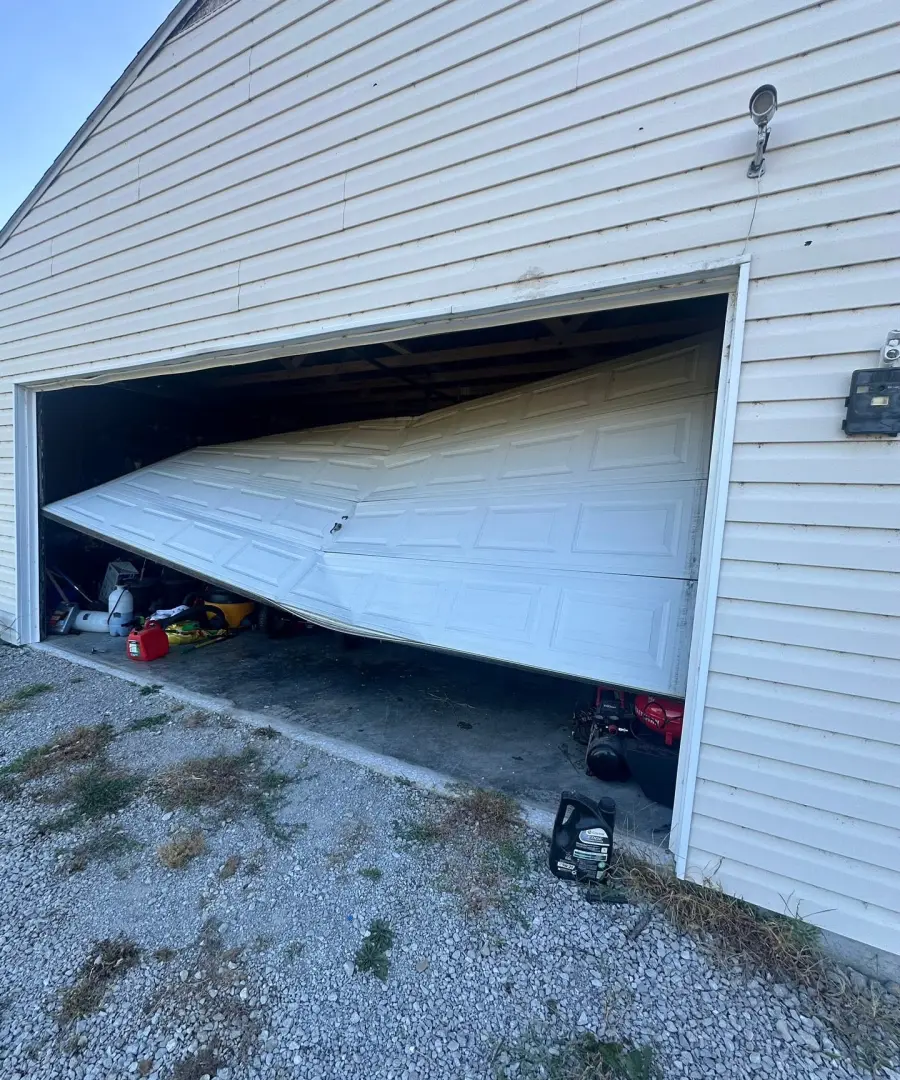 Stop operating a visibly damaged door
Identify the system without touching it.
Close the door only if it can be operated normally and safely. If it is crooked, off track, jammed, unusually heavy, or already open with a suspected broken spring, stop and call CSI.
- 01Photograph the full door.
Stand back and capture the opening, tracks, and space above the door in one frame.
- 02Photograph the spring area.
Use camera zoom from the floor. Torsion springs are normally above the opening; extension springs typically run beside the horizontal tracks.
- 03Capture labels and markings.
Photograph visible tags, paint marks, manufacturer labels, and the opener label without moving door hardware.
- 04Describe what changed.
Tell CSI whether you heard a bang, saw a gap in a spring, noticed loose cables, or found that the door became heavy or uneven.
Location diagram only. Do not handle either spring system to identify it.
Measure only what is safely reachable without moving hardware.
A technician may ask about the number of springs, visible spring color, overall door width and height, or markings on the spring and door. Use a photo with a common object or tape measure held away from the mechanism when scale is useful.
The Door & Access Systems Manufacturers Association advises homeowners to have trained door systems technicians handle springs and related counterbalance parts. Review its official garage door safety guidance.
Stop using the door and call.
Protect the door and the people around it.
Can I open a garage door with a broken spring?
A spring supports much of the door’s weight. Trying to lift or operate the door can cause uncontrolled movement, added damage, or opener failure. Keep the area clear and call CSI for instructions specific to the situation.
Should I use the emergency release?
Not when a spring may be broken or the door is elevated, crooked, or unstable. Releasing the opener can allow a heavy door to move suddenly.
Why does CSI need photos?
Photos help show the spring location, door size, number of springs, track type, operator, and visible damage. They may help prepare for the call, but they do not replace an on-site safety assessment.
Does a broken spring mean I need a new door?
Not necessarily. The technician can inspect the spring system, door sections, track, cables, bearings, and opener to determine what is damaged and what service is appropriate.
Stop operating the door. Call CSI.
CSI provides garage door spring repair across North Central Missouri, with 24-hour emergency service when the opening cannot wait.