
Curtain
Look for bent, torn, separated, corroded, or heavily worn material that can catch while the door moves.
From its Trenton shop, CSI provides mini-storage door installation, replacement, parts, and repair for self-storage properties across North Central Missouri, for individual units and multi-door projects alike.
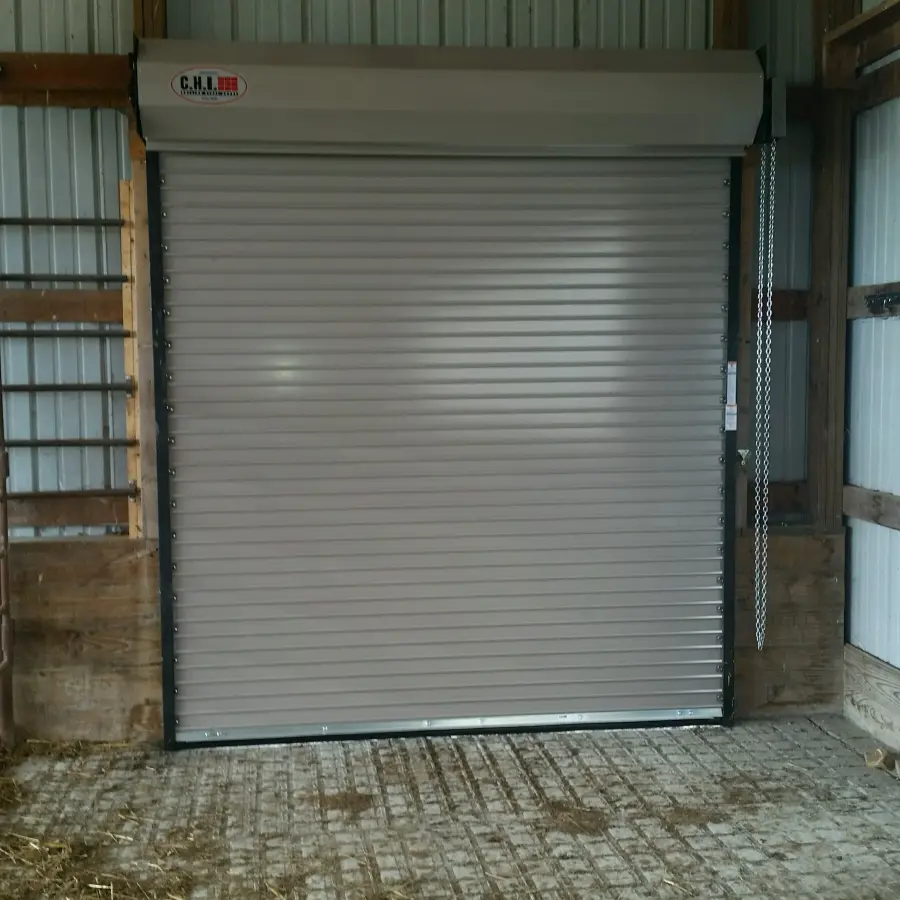 Mini-storage and roll-up doors
A self-storage door must be simple for the tenant to operate and practical for the property team to inspect, secure, and service.
Repeated openings make documentation important. Door size, curtain profile, guides, hardware, latch arrangement, bottom seal, finish, and previous repairs can vary across an older property even when the doors look similar from a distance.
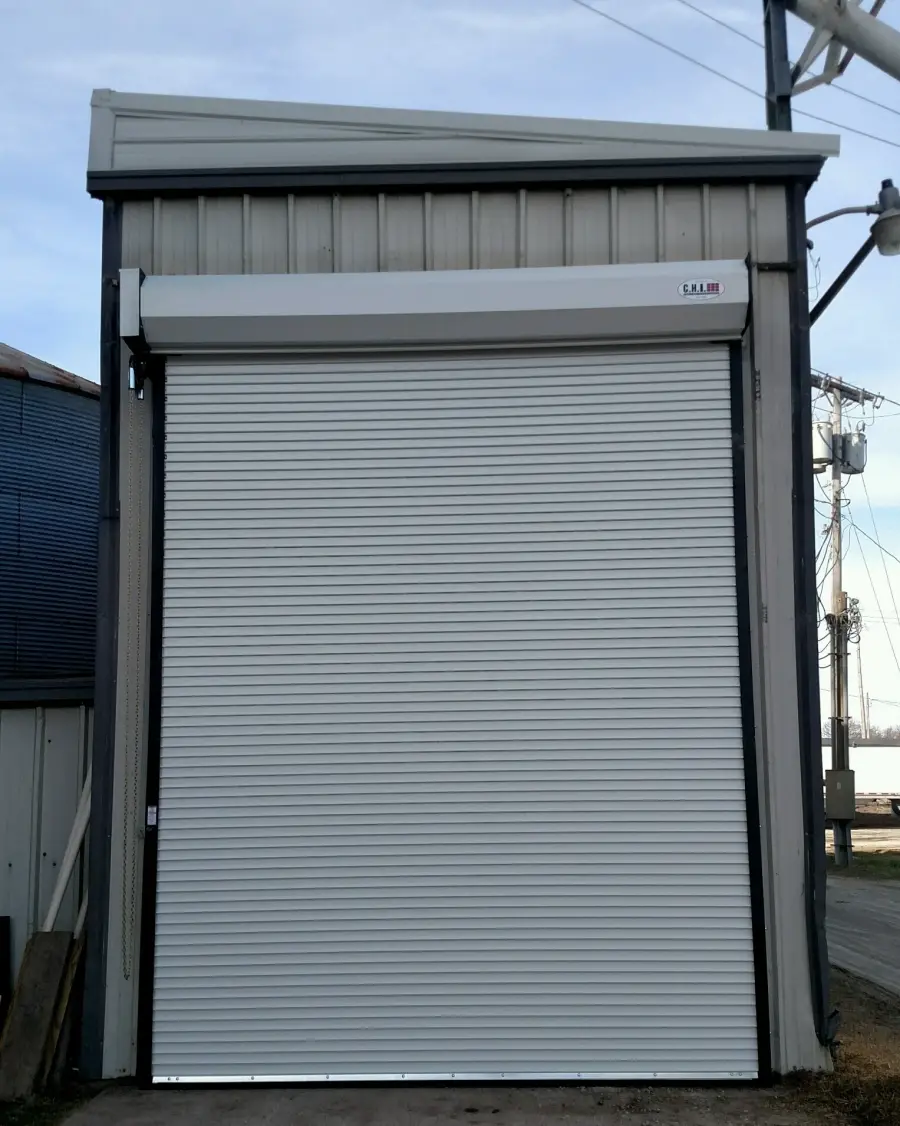 Compact rolling operation
A door can bind because of impact, guide alignment, damaged hardware, counterbalance trouble, floor movement, framing, debris, or several issues at once.
Look for bent, torn, separated, corroded, or heavily worn material that can catch while the door moves.
Confirm alignment, fastening, jamb condition, headroom, side clearance, and whether impact has moved the assembly.
Check brackets, axle or shaft components, bottom bar, stops, fasteners, and the effort required to move the door.
Review latch operation, tenant access, unit contents, the door position, and how the opening can be made safe during service.
Record building, row, unit, opening size, door condition, hardware, finish, and access notes.
Separate safety or security issues from routine repairs and doors that can remain in service.
Plan property access, tenant notice, material availability, staging, and phased work when appropriate.
Yes. Service may include the curtain, guides, brackets, counterbalance components, bottom bar, latch, weather seal, and related hardware. The complete opening should be inspected because one damaged part can affect how the rest of the door moves.
Replacement may be the practical choice when a curtain is severely bent or torn, guides or brackets are damaged, corrosion is advanced, parts are no longer available, or repeated repairs no longer produce reliable operation. A door that is difficult to move should be taken out of service until it is assessed.
Many facilities use repeated opening sizes, but field conditions can vary. Framing, jambs, sill condition, clearances, previous repairs, and construction tolerances should be checked before ordering. Do not assume every opening in a row is identical.
Color, profile, hardware, and dimensions may be matched or coordinated when compatible products are available. Exact matches can be affected by manufacturer changes, age, fading, and discontinued finishes. CSI can compare current options to the existing doors.
A phased project may reduce disruption and spread work across sections of a property. Planning should document opening sizes, unit access, product availability, tenant coordination, and how the finished rows will remain visually consistent.
Share the property address, unit or building identifier, approximate opening size, door position, visible damage, whether the unit is occupied, and clear photos if available. For multiple openings, note the number of affected doors and any access restrictions.
For one damaged door or a group of openings, send CSI the property details, unit identifiers, approximate sizes, access notes, and clear photos when available.