
Opening
Width, height, framing, jambs, header, floor condition, side room, headroom, and backroom establish what can fit.
CSI works with commercial, agricultural, municipal, and institutional openings across North Central Missouri, from Trenton shops and farm buildings to storefronts and warehouses, wherever reliable movement, clearance, security, and service access matter.
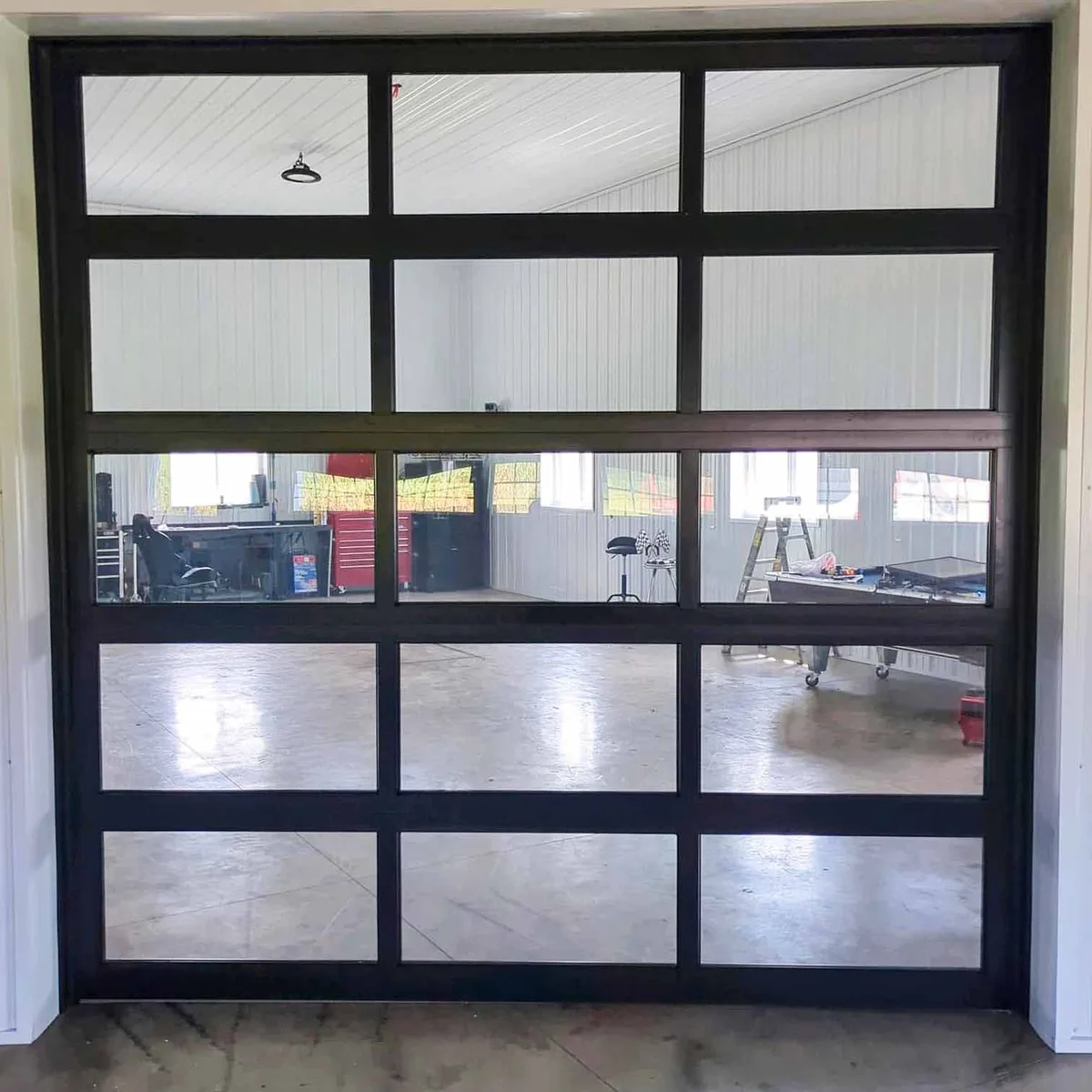 Full-view commercial door
Commercial door selection starts with the opening and its duty. Dimensions alone do not describe traffic, environmental exposure, headroom, required clear area, or how a failure would affect the site.
Width, height, framing, jambs, header, floor condition, side room, headroom, and backroom establish what can fit.
Opening frequency, vehicle clearance, impact exposure, security, visibility, weather, and interior use shape the specification.
Sections or curtain, track or guides, springs, hardware, operator, controls, and safety devices must remain compatible.
A fire apparatus bay, service shop, agricultural building, warehouse, storefront, and conditioned workspace can place very different demands on an overhead door.
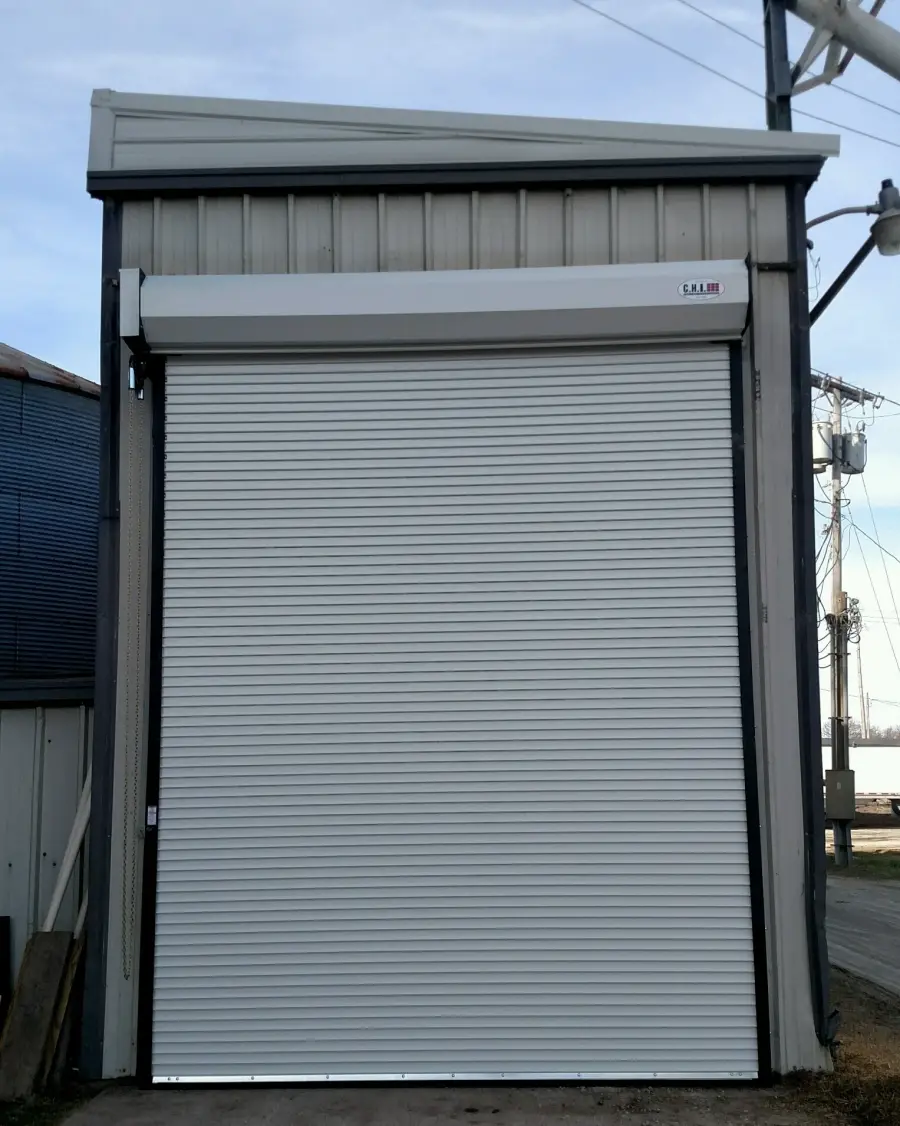 Rolling steel
A damaged or poorly balanced commercial door can place extra load on the operator and expose people, vehicles, inventory, and the building to unnecessary risk.
For an operator-specific issue, visit opener repair and installation. Self-storage operators can also review mini-storage door service.
CSI works with sectional steel doors, insulated commercial doors, full-view aluminum doors, rolling steel and sheet doors, specialty track arrangements, and compatible commercial operators. The right system depends on the opening, building use, clearance, traffic, exposure, and access requirements.
Many problems can be repaired when the sections or curtain, track, guides, counterbalance system, hardware, and operator remain serviceable. Severe impact damage, recurring failures, unavailable parts, or a door that no longer fits the building use may make replacement more practical. An on-site assessment is the safest place to begin.
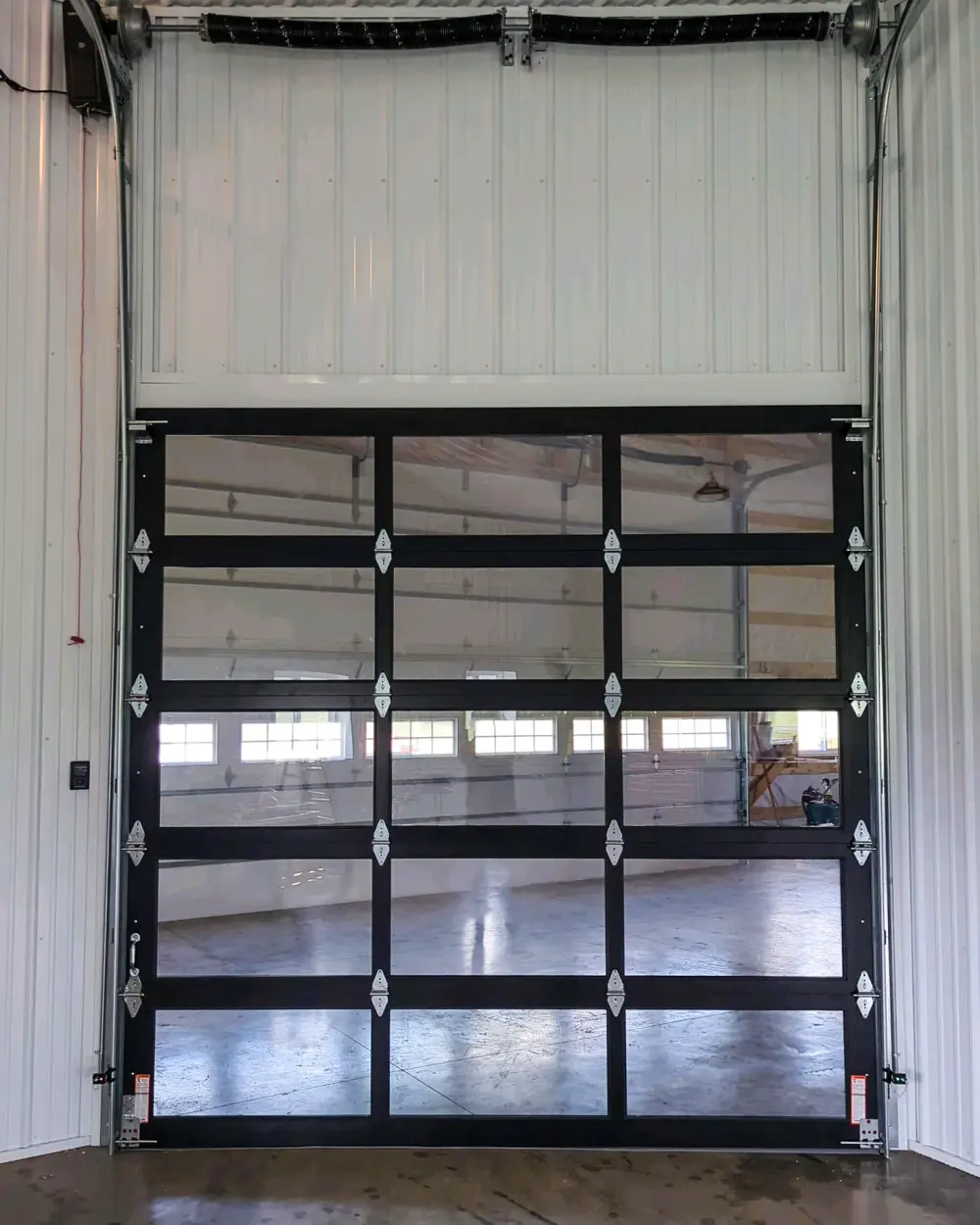
High-lift track carries the door upward before it turns into the building. Vertical-lift track travels primarily upward along the wall. These arrangements can preserve useful overhead space, but they require adequate structure, clearance, hardware, counterbalance design, and a compatible operator.
Yes. Insulated sectional doors are available in several constructions and thermal ratings. The practical benefit depends on the building envelope, climate control, door size, opening frequency, perimeter seals, and installation. Compare the full assembly, not only the advertised R-value.
Yes. CSI works with commercial operators, controls, remotes, safety devices, and related access components. Door balance and mechanical condition should be checked before an operator is blamed for slow, noisy, or unreliable movement.
CSI offers 24-hour emergency service. If a door is stuck, damaged, unsecured, or affecting operations, call (660) 359-2277 and describe the opening, door type, position, and immediate safety concern.
Tell CSI the door type, approximate size, current position, operator, building use, and any immediate safety or access concern.